Instagram now flags copies of your Reels. Put your name inside the frame.
Meta's content protection tool came to Instagram on November 17, 2026. Track, hide, credit-link or release each copy of your Reels, then build a signature into the first two seconds, with a pasteable caption, a still and a 20-second shot list.

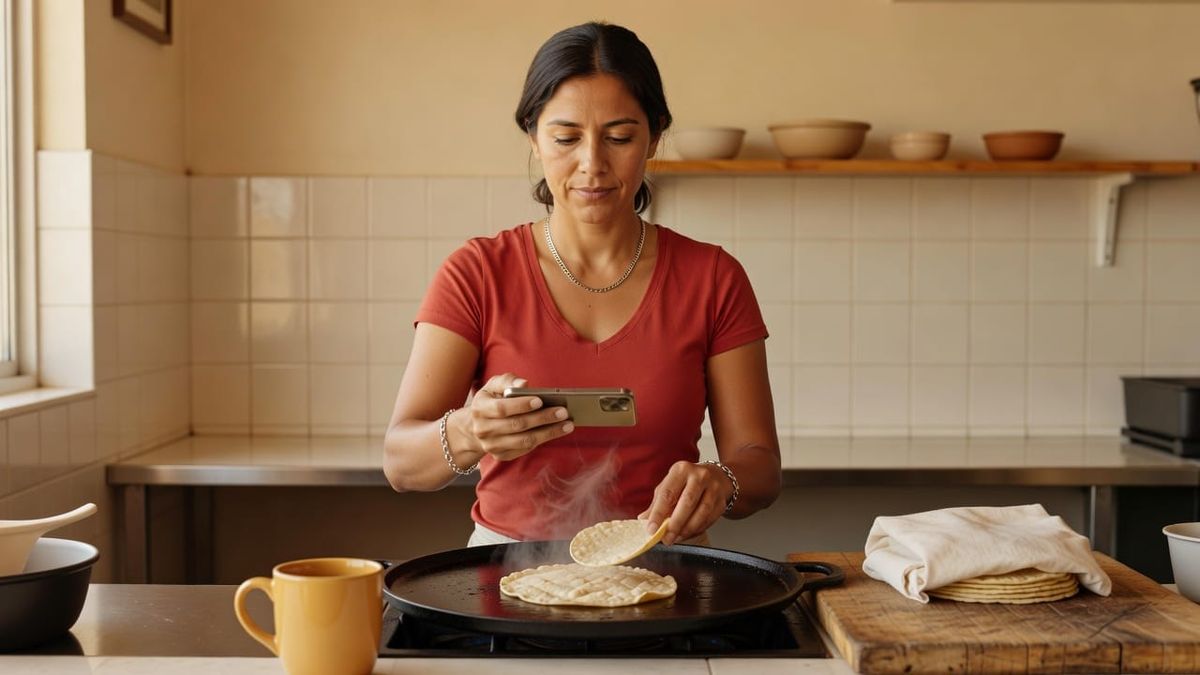
As of November 17, 2026, Instagram flags copies of your original Reels and lets you track, hide, label or release each one. That's useful, and a small food brand should switch it on this week. The bigger job is making Reels nobody could mistake for anyone else's, so a stolen copy still points back to your kitchen.
Listen to this episode of The Daily Trend Report, then use the piece below.
Data current as of November 18, 2026.
One of my cohosts came into this morning's show cold, because the heater in her Mustang quit somewhere outside Alpine. She warmed up fast once we got to repost thieves. Everybody who has run social for a small food brand has a story about a meme page with a few million followers posting their best clip with the logo cropped off, and this week Instagram finally gave those brands something to do about it.
What did Instagram change?
Instagram now runs the same content protection system Facebook has had for a year. Meta, the company that owns Facebook, Instagram, Threads and WhatsApp, first launched content protection on Facebook in November 2025, and Social Media Today reported on November 17 that eligible Instagram creators can now enroll and protect their future uploads. In Instagram's own words, it "automatically looks out for visual matches of your original videos, alerts you when we find a match across Instagram and Facebook, and lets you decide what happens next."
Eligibility isn't automatic. MediaPost reports that an account has to meet Meta's originality and integrity requirements, which makes sense. An account built on other people's clips was never going to get a tool for protecting clips.
There's an AI piece too. Instagram is testing transcript detection with a small group of creators, which flags a video that matches the spoken words in yours even when the visuals were swapped out by AI. Adam Mosseri, the head of Instagram, said last month on Threads that the AI re-skin problem was on his desk: "We are actively working out what to do, it's just a tricky problem."
What can you do when it finds a copy?
You get four choices, and the right one depends on who copied you. Tubefilter lays them out: track the repost (the default), hide it, require a credit link back to you, or release your claim. The one thing it won't do is pay you. YouTube's Content ID can share revenue on a copy, and Meta's tool can't.
| Option | What happens | Use it when |
|---|---|---|
| Track | The copy stays up and you watch how it does. This is the default. | You don't know the account yet and want to see if its audience is worth anything to you. |
| Hide | The copy stops being viewable to other people. | The account would embarrass you, sells something you'd never stand next to, or is a straight spam farm. |
| Credit link | The copy stays up with an "original by" label that sends viewers to your video. | A big account with your kind of customer took the clip. Its followers now see who made it. |
| Release | You drop the claim and let it stay up as is. | It's a partner, a retailer or a creator you already cleared to share your work. |
Most people will hit hide on everything, because it feels good. I'd think twice. If a three-million-follower food page lifts your tortilla clip and its audience is the exact person who'd drive across town for your tortillas, the credit link turns the thief into an unpaid intern with a big following. Hide the accounts you'd be ashamed to be seen with. Put your name on the ones whose audience you want.
Why does this matter more to a small food brand than a big one?
Because the small brand is the one shooting its own footage. A national snack brand has a legal team and a takedown vendor on retainer. The family bakery has a phone and a manager who also works the register. Every small food brand that films its own kitchen is a creator whether it calls itself one or not, and for once the platform rules lean its way. Meta has spent 2026 pushing original content in the feed, and in March it defined original as content filmed or created by the account posting it.
There's a flip side. Plenty of brand pages built their best months on curated clips nobody licensed. If that's your grid, archive anything you didn't shoot or get permission for, this week. The first screenshot of a creator's alert with a brand's name on it will travel further than the clip ever did. If you love somebody's video, ask, pay a flat usage fee and credit them on screen. It's cheaper than the apology.
What makes a Reel look original in the first place?
A signature inside the frame, in the first two seconds, every single time. The tool protects originals, and most food Reels don't look original. A pan, a hand, a plate, a trending sound. Crop the logo off and nobody on earth could tell whose it was. The watermark was always the first thing a meme page cropped.
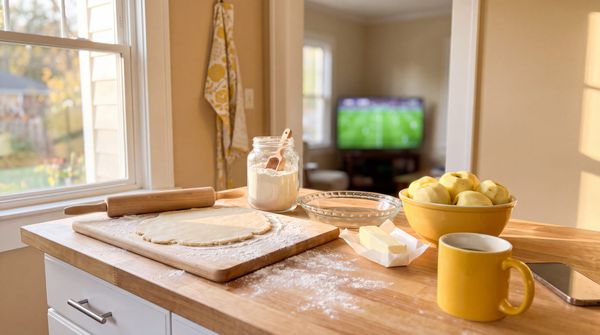
So build something they can't crop. The same beat-up cutting board. The same blue enamel pot. The same voice saying the same three words before every pour. When the copy turns up on some page in Florida, the comments say wait, that's the place in Fort Davis. That's something big food can't fake, because big food doesn't have a cutting board with forty years of knife marks on it. I made a similar case about lines a customer can repeat in write a line they can say back, and about filming the work itself in show them the kettle. The signature is the same idea with a security job attached.
What should you post today?
Turn content protection on for new Reels if your account is eligible, then post the signature Reel. Here's the kit.
Pasteable caption. Same board since day one. If you ever see this clip somewhere without our name on it, now you know where it came from. Fresh batch at the counter till we sell out.
Still direction. Overhead, phone held flat about eighteen inches above the work surface, morning window light from one side. Your signature object fills the bottom third of the frame (the board, the pot, the comal) with one hand mid-motion on it. No text on the image. The object should be the thing a regular could pick out of a lineup.
The 20-second signature Reel, shot list:
- 0:00 to 0:02. Tight on the signature object, sound up. Your three words, said the same way you'll say them on every Reel from now on. Done when a regular could name your shop with the screen covered.
- 0:02 to 0:08. The best-looking step in your process, four inches from the lens. The puff on the comal, the dough coming off the hook, the pour. Done when there's no wide shot anywhere in this stretch.
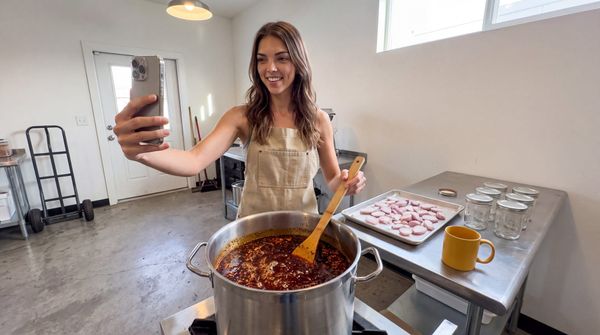
- 0:08 to 0:14. Pull back to one person working, face in frame, saying one plain sentence about how long you've done it this way. Done when it's a real employee with a first name, not a voiceover.
- 0:14 to 0:20. Back on the signature object as the finished product lands on it. No discount code, no holiday promo stacked on top. Done when the last frame and the first frame show the same object.
Shoot it in one take on a phone. Then open every product Reel for the next month with the same two seconds.
Where does the show fit?
The podcast is the briefing, this piece is the extension, and the Reel is what you do with it. Today's episode also covered Chomps keeping control while taking a $350 million minority investment from Sixth Street, and a maple syrup brand that sold its price by filming the steam. Subscribe to The Daily Trend Report on Apple Podcasts or Spotify and it's waiting before you open the laptop.
Pick your signature object before lunch. Film it tomorrow morning, and by the time somebody steals your next Reel, it'll already be telling their followers where it came from.
If you want help building that signature into your brand's feed, message me on LinkedIn.